How to Make Your Cafe or Restaurant Accessible for People with Disability
Oct 22, 2026
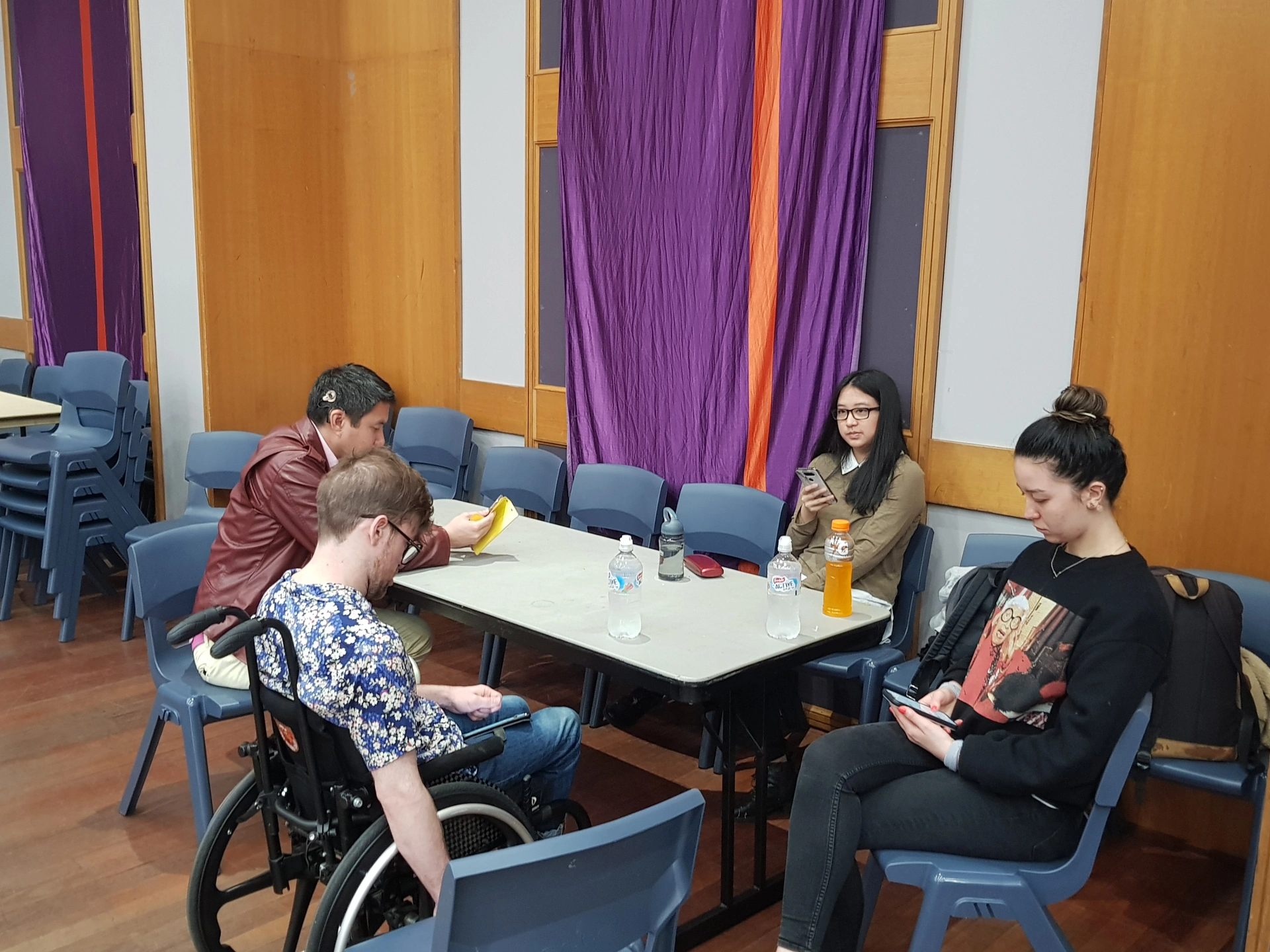
Most cafe and restaurant owners want everyone to feel welcome. The gap usually isn’t attitude. It’s that small barriers are easy to miss when you see your space every day.
The good news is that many improvements are low cost, and some are free. This guide covers where to start, in the order a customer experiences your venue.
1. Before they arrive: information
Access starts online. Many people with disability check a venue before they go, because turning up and finding out you can’t get in is stressful and embarrassing.
Put a short access page on your website, and the same details on Google and social media. Include:
Whether there is a step-free entrance, and where it is
Where accessible parking and public transport are nearby
Photos help a lot. Show the entrance, the layout and the toilet.
2. Getting in: entrances and doors
Check your entrance from the point of view of a wheelchair or pram user, someone using a walking frame, and someone who is vision impaired.
Is there a step-free way in? If you use a temporary ramp, is it always available, or do customers have to ask?
Are doors easy to open, and wide enough for a wheelchair to pass through?
Is the entrance obvious? If the accessible entrance is around the side, signs should say so, and a bell or sign should tell staff to help.
3. Moving around: layout and circulation
A layout that feels cosy can be hard to navigate.
4. Seating and ordering
Offer a mix of seating: chairs with and without armrests, some with back support, and some tables at standard height.
If you have a high counter, have a way to serve people at a lower surface, or have staff come to the table.
5. Menus and communication
Offer menus in large print, as well as digital versions people can enlarge on their own phone.
Use plain language, and clear descriptions of ingredients and allergens.
Let customers know they can ask for help, and train staff to ask “How can I help?” rather than assuming.
6. Sensory comfort
Noise, bright lights and strong smells can be hard for many people, including those who are autistic or have sensory sensitivities.
Consider a quieter time of day, or a quieter seating area, and say so on your website.
Reduce background music where you can, and avoid flickering lights.
7. Toilets
An accessible toilet needs to be unlocked, clean, and free of storage. A toilet used as a stockroom isn’t accessible. If your venue has no accessible toilet, be honest about it on your website so people can plan.
8. Your team
Equipment helps, but staff attitude makes the biggest difference.
Speak directly to the customer, not to a companion.
Welcome assistance animals.
Ask before helping, and don’t grab a wheelchair or touch a person.
Make sure every team member knows the access features of your venue and who to ask if they don’t.
A short team discussion or training session is often enough to build confidence.
Where to start
You don’t need to fix everything at once. Choose three things you can do this month, such as adding an access page, clearing a pathway and updating your menu. Then plan larger changes over time, and ask customers with disability for their feedback.
Note: this is general guidance, not legal advice or a compliance certificate. Businesses in Australia have obligations under the Disability Discrimination Act 1992, and building work may need to meet specific standards, so check your own requirements.
Want a hand reviewing your venue? Access in Action offers practical accessibility reviews for Sydney cafes, restaurants, arts spaces and venues. We identify barriers, recommend improvements and support you to make the changes. [Book a free 20-minute chat.]